
Overview
We integrate biological processes, water treatment, and AI to develop water environment systems that connect water purification, water use, and environmental prediction.
We conduct research on water environment management technologies aimed at maintaining and enhancing sustainable ecosystem services in aquatic systems such as lakes and coastal areas. Specifically, our work focuses on developing quantitative management approaches based on environmental stress assessments of aquatic organisms, evaluating pollution tolerance of benthic foraminifera, and developing predictive models for saltwater intrusion, enabling the understanding and prediction of environmental variability at the field scale.
In addition, we are developing Nature-based Solutions (NbS) that utilize biological functions, including water purification and enhancement of water use functions through the application of brackish bivalves (Corbicula japonica). Furthermore, we are working on advancing process control technologies and resource recovery techniques toward sustainable water treatment systems in the decarbonization era.
Development of Water Environment Management Methods Utilizing Biological Functions of Brackish Bivalves (Creation of Multifaceted Value)
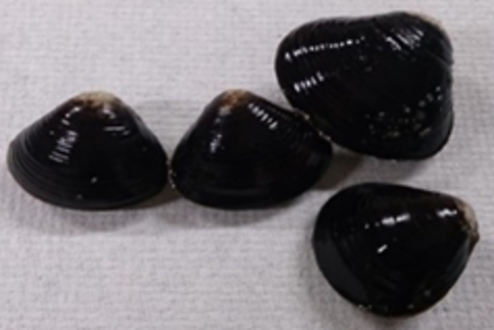
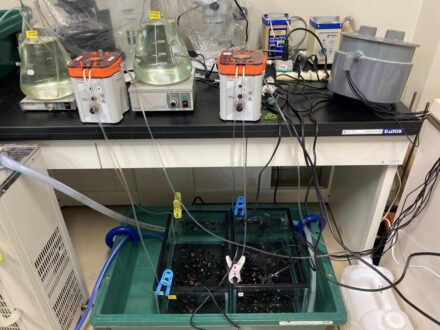
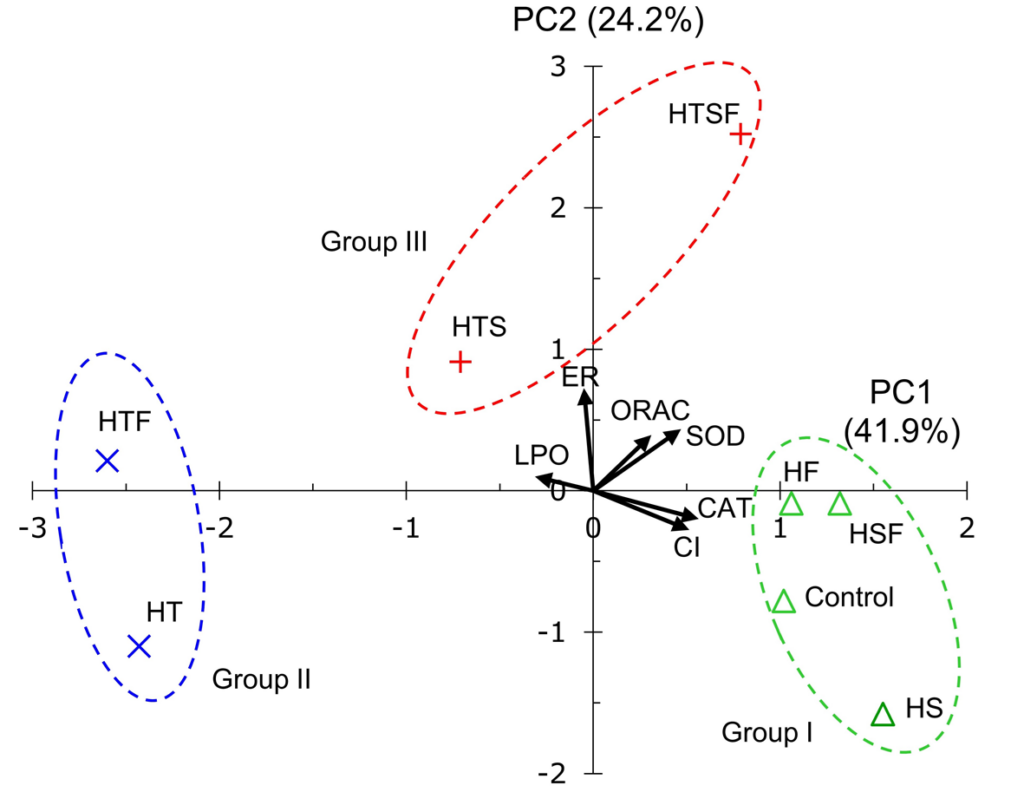
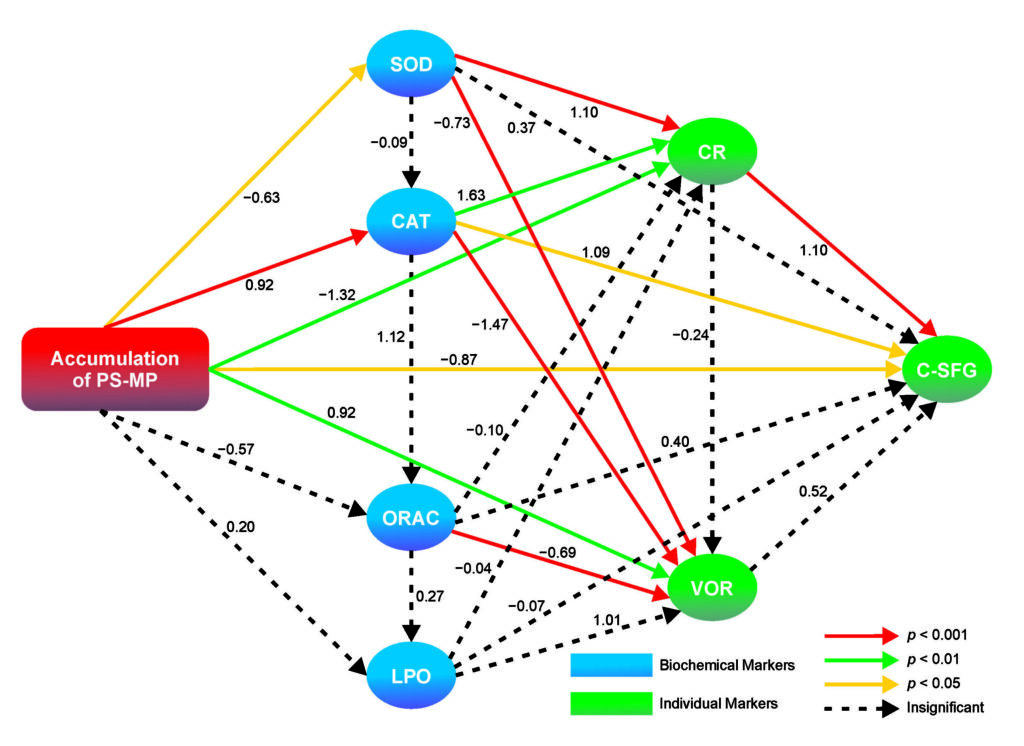
Human society depends on benefits derived from ecosystems, known as ecosystem services. To sustainably maintain these services, it is essential to consider water environment management from the perspective of biodiversity conservation. In this study, we focus on the brackish-water clam Corbicula japonica, which inhabits Lake Hinuma—the only brackish lake in the Kanto region of Japan. We conduct a multifaceted evaluation of environmental stress by integrating biochemical-level indicators such as antioxidant markers with individual-level indicators including growth potential and valve-gaping activity, while also considering the impacts of future climate change. Furthermore, we are working to develop water environment management approaches that create multifaceted value in freshwater systems by utilizing the high water purification capacity of C. japonica.
Recent Publications:
- Hayakawa, K., Fujita, M. (2025) Responses of antioxidant markers and valve activity of the brackish water clam Corbicula japonica under single/combined exposures of polystyrene microplastics and thermal stress, Japanese Journal of JSCE, 81 (17), 25-17163 (in Japanese). doi: 10.2208/jscejj.25-17163.
- Sugawara, T., Fujita, M. (2025) Effects of granulated coal ash used for sediment improvement on the brackish water clam Corbicula japonica, Japanese Journal of JSCE, 81 (17), 25-17261 (in Japanese). doi: 10.2208/jscejj.25-17261.
- Saputra HK, Miura N, Pokhrel P, Zhao G, Fujita M (2024) Comprehensive assessment of multiple biomarker mechanisms in the brackish water clam Corbicula japonica exposed to polystyrene microplastics using structural equation modeling, Science of the Total Environment 949, 175089. doi: 10.1016/j.scitotenv.2024.175089.
- Pokhrel P, Mashiko S, Akther S, Suzuki J, Fujita M (2022) Antioxidant capacity and carbon-based scope for growth of brackish water clams Corbicula japonica under the combined effects of natural and anthropogenic factors, Environmental Pollution 308, 119676. doi: 10.1016/j.envpol.2022.119676.
- Pokhrel P, Suzuki J, Akther S, Fujita M (2021) Physiological and biochemical responses of brackish-water clam Corbicula japonica under global-warming conditions: Water temperature, salinity, and food availability, Ecological Indicators 129, 107866. doi: 10.1016/j.ecolind.2021.107866.
Development of Advanced Wastewater Treatment Simulators for Carbon Neutrality and Sustainable Aquatic Ecosystem Services
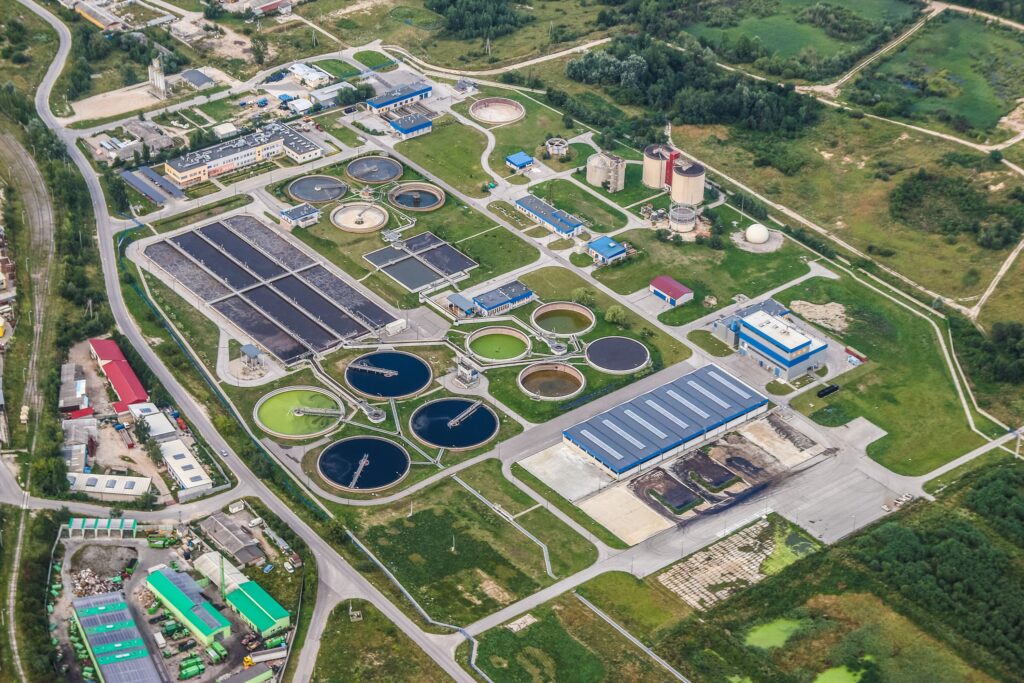

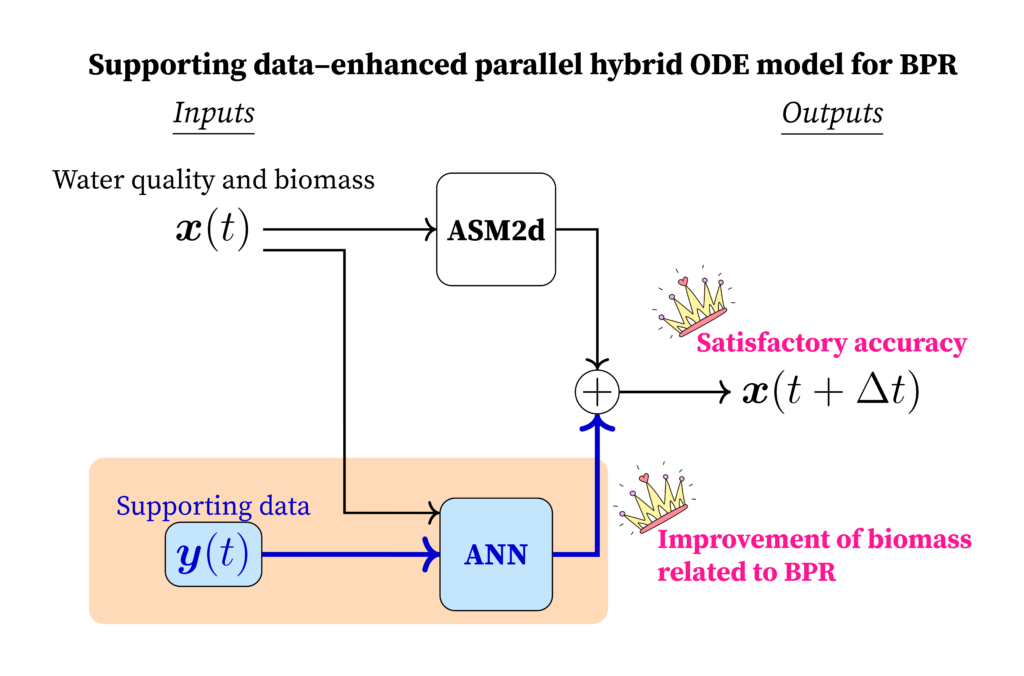
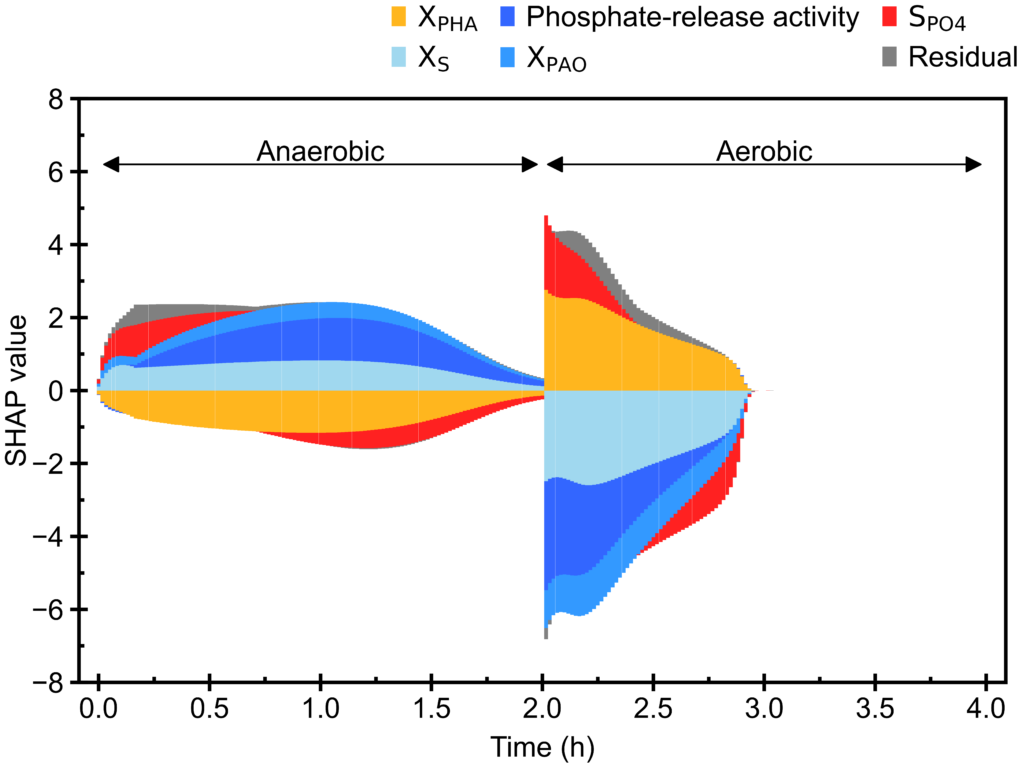
With the declining population, the shortage of skilled engineers in wastewater treatment is becoming a serious issue. At the same time, achieving carbon neutrality by 2050 and ensuring the sustainable provision of ecosystem services in receiving water bodies require more advanced wastewater treatment management, including energy-saving and energy-generating operations, as well as process control that maintains appropriate nutrient concentrations in treated effluent. In this study, we are developing a hybrid ordinary differential equation (Hybrid ODE) model that integrates machine learning with the internationally standardized wastewater treatment model (IWA Activated Sludge Models). Hybrid ODE is a novel concept that is increasingly being applied across various fields. While balancing model reproducibility and interpretability remains a key challenge, we propose a new model structure to address this issue. In the future, we aim to further develop this approach into a real-time operational support model capable of flexibly optimizing energy efficiency and nutrient control in response to continuously varying influent water quality and quantity.
Recent Publications:
- Hososhima, Y., Guang-yao Zhao, Fujita, M. (2025) Real-time estimation of nitrifying bacteria concentration by using ammonia sensors installed in circulating nitrification and denitrification process, Japanese Journal of JSCE, 81 (17), 25-25004 (in Japanese). doi: 10.2208/jscejj.25-25004.
- Zhao G, Furumai H, Fujita M (2025) Parallel hybrid ordinary differential equation for modeling biological phosphorus removal modified for enhanced predictive performance and physical interpretability, Journal of Environmental Management 380, 124932. doi: 10.1016/j.jenvman.2025.124932.
- Zhao G, Furumai H, Fujita M (2024) Supporting data–enhanced hybrid ordinary differential equation model for phosphate dynamics in municipal wastewater treatment, Bioresource Technology 409, 131217. doi: 10.1016/j.biortech.2024.131217.
- Zhao G, Suzuki S, Deng J, Fujita M (2022) Machine learning estimation of biodegradable organic matter concentrations in municipal wastewater, Journal of Environmental Management 323, 116191. doi: 10.1016/j.jenvman.2022.116191.
Prediction of Saltwater Intrusion in River Estuaries and Water Resource Management
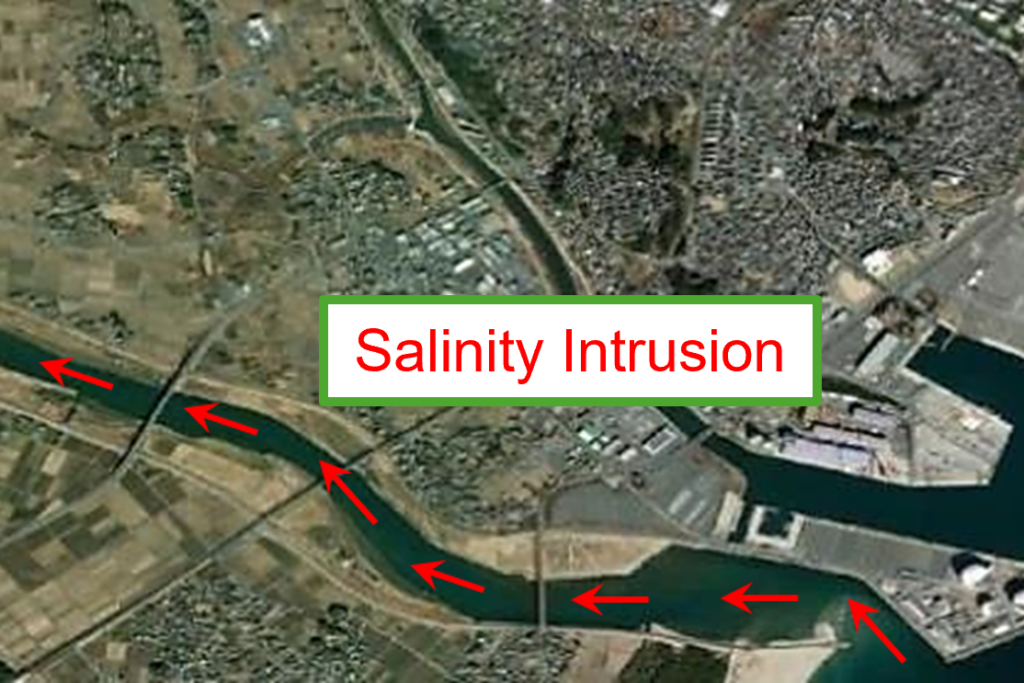

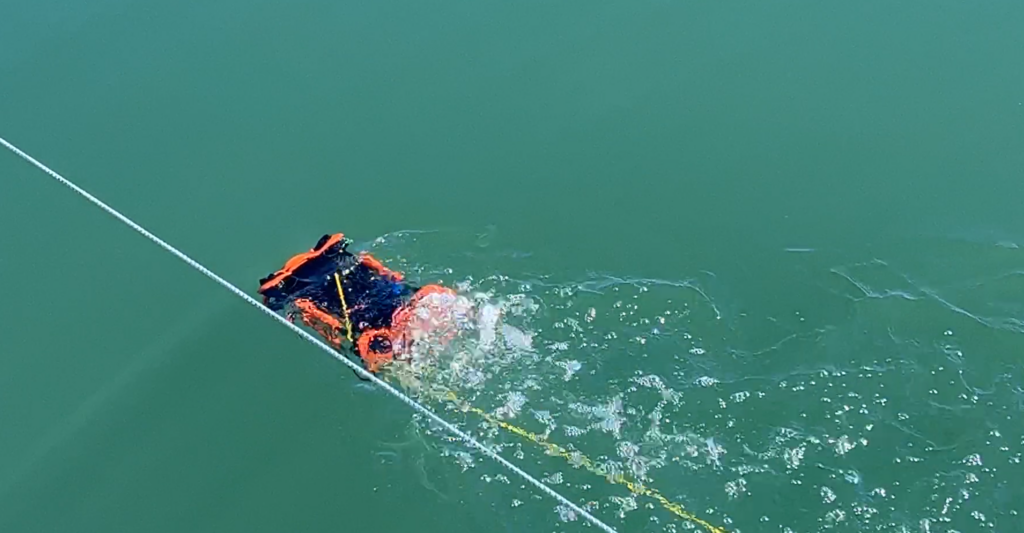
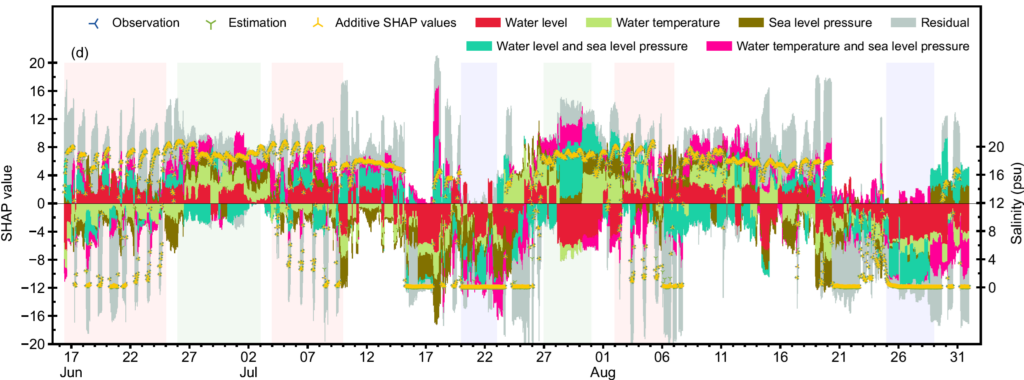
Rivers are essential water sources for drinking water supply; however, in recent years, they have increasingly been affected by saltwater intrusion, likely due to climate change. From the perspective of water intake and treatment management, the ability to predict saltwater intrusion in advance is highly valuable. In this study, we investigate saltwater intrusion in the downstream reach of the Kuji River. Since riverbed topography also influences saltwater intrusion, we evaluate riverbed morphology using underwater drones. Our previous studies have demonstrated that saltwater intrusion can be predicted using machine learning based on hydrological and meteorological data, including river water level, water temperature, and tidal level.
Recent Publications:
- Sato, S., Fujita, M. (2025) Estimation of saltwater intrusion in the downstream of urban river using long short-term memory, Japanese Journal of JSCE, 81 (25), 25-25053. doi: 10.2208/jscejj.25-25053.
- Zhao G, Ohsu K, Saputra HK, Okada T, Suzuki J, Kuwahara Y, Fujita M (2024) Enhancing interpretability of tree-based models for downstream salinity prediction: Decomposing feature importance using the Shapley additive explanation approach, Results in Engineering 23, 102373. doi: 10.1016/j.rineng.2024.102373.
Impacts of Urbanization on Atoll Formation and Maintenance Processes and Climate Change Adaptation
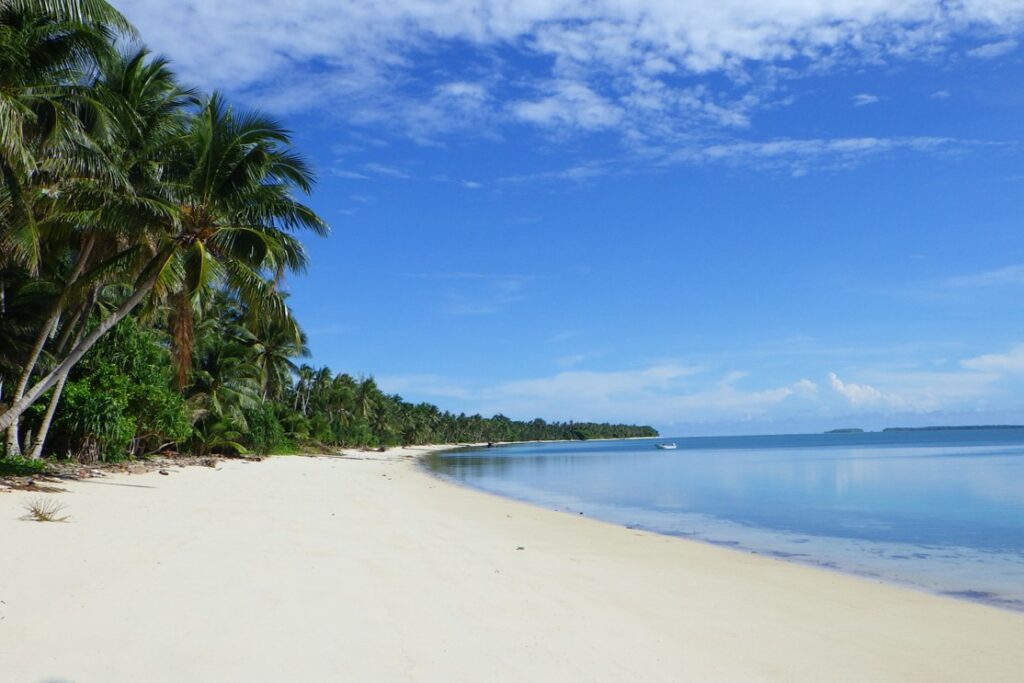

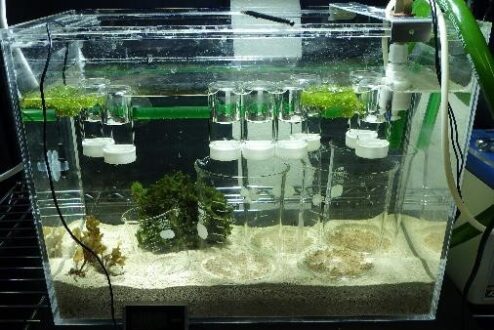
Atoll nations such as Tuvalu and the Republic of the Marshall Islands consist of low-lying land with elevations of only 2–3 meters above sea level and are highly vulnerable to sea-level rise. Atolls are formed and maintained through the production, transport, and deposition of calcareous materials by organisms such as benthic foraminifera (e.g., star sand and sun sand) based on coral reef ecosystems. In recent years, the natural processes of land formation and maintenance in atolls have been degrading due to the combined effects of global environmental stressors (e.g., rising sea temperature and ocean acidification) and local anthropogenic pressures associated with urbanization (e.g., wastewater discharge and solid waste). In this study, we evaluate anthropogenic pressures on coastal ecosystems—particularly benthic foraminifera—and their tolerance to such stressors. We further aim to develop adaptation strategies for atoll cities that enable the sustainable conservation of natural land formation and maintenance processes under sea-level rise.
Recent Publications:
- Akther S, Kitano T, Fujita M (2023) Genomics of foraminiferal symbionts, Reference Module in Life Sciences, Elsevier. doi: 10.1016/B978-0-12-822563-9.00091-3.
- Akther S, Sun W, Suzuki J, Fujita M (2022) Tolerance of benthic foraminifer Calcarina gaudichaudii to polycyclic aromatic hydrocarbon pyrene: Effects on photosynthesis, Coral Reefs 41, 1585-1594. doi: 10.1007/s00338-022-02318-8.
- Akther S, Suzuki J, Pokhrel P, Okada T, Imamura M, Enomoto T, Kuwahara Y, Fujita M (2021) Assessment of heavy metal pollution in the coastal sediments of an urbanized atoll in the central Pacific: Majuro Atoll, the Marshall Islands, Environmental Monitoring and Assessment 193, 843. doi: 10.1007/s10661-021-09603-z.
- Akther S, Suzuki J, Pokhrel P, Okada T, Imamura M, Enomoto T, Kitano T, Kuwahara Y, Fujita M (2021) Behavior of eukaryotic symbionts in large benthic foraminifers Calcarina gaudichaudii and Baculogypsina sphaerulata under exposure to wastewater, Environmental Pollution 265 (Part A), 114971. doi: 10.1016/j.envpol.2020.114971.